At Elevate Landscape & Spas, we’ve watched countless homeowners struggle with high water bills, constant yard maintenance, and landscapes that demand more time and resources than they can realistically provide.
As a family-owned business committed to creating stunning outdoor spaces, we’ve discovered that xeriscaping offers a revolutionary solution to these common challenges.
The benefits of xeriscaping extend far beyond simple water conservation. This intelligent landscaping approach transforms how homeowners think about their outdoor spaces, creating beautiful environments that work with nature rather than against it.
When clients ask us about xeriscaping benefits, we share real stories from our community. Families who’ve reduced their water bills by 60% while creating more beautiful yards than they ever thought possible.
Busy professionals who’ve reclaimed their weekends from constant yard work. Retirees who’ve discovered they can maintain gorgeous landscapes without the physical strain of traditional gardening.
These benefits aren’t just theoretical; they’re practical improvements that enhance daily life while protecting our environment and preserving precious resources.
Understanding Xeriscaping: More Than Just Desert Plants
Before exploring the specific advantages, it’s important to understand what xeriscaping actually means. Many people imagine xeriscaping as nothing but cacti and rocks, but that’s a common misconception that prevents homeowners from considering this valuable option.
Xeriscaping is a landscaping philosophy that emphasizes water efficiency while maintaining beauty and functionality. The approach focuses on selecting appropriate plants, improving soil conditions, and designing layouts that naturally conserve water.
We’ve created xeriscaped gardens that include lush green areas, colorful flowers, and diverse textures. The key difference is choosing plants that thrive in your local climate without excessive irrigation.
At Elevate Landscape & Spas, xeriscaping represents thoughtful landscaping rather than limited landscaping. Our designs prove that water-efficient doesn’t mean visually compromised.
Benefit 1: Dramatic Water Conservation and Lower Utility Bills
The most obvious of all xeriscaping benefits is significant water reduction, but the actual savings often exceed homeowner expectations. Traditional landscapes can use 50-70% of household water during peak growing seasons, while properly designed xeriscaped gardens typically use 60-80% less water.
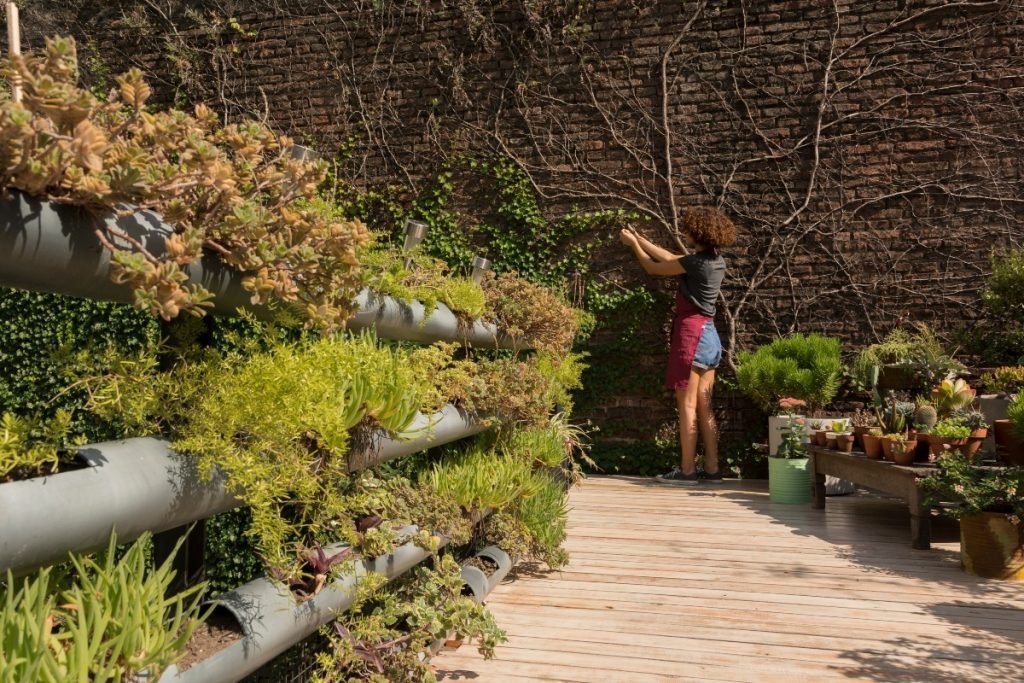
We’ve helped clients reduce their irrigation needs from daily watering to once or twice weekly during the hottest months. Some established xeriscaped gardens require supplemental watering only during extreme drought conditions.
Consider these water usage comparisons for a typical residential landscape:
| Landscape Type | Weekly Water Usage (Gallons) | Annual Cost (Estimated) |
|---|---|---|
| Traditional Lawn | 1,500-2,500 gallons | $800-1,400 |
| Mixed Traditional | 1,000-1,800 gallons | $600-1,200 |
| Xeriscaped Garden | 300-600 gallons | $200-400 |
These numbers represent real water meter readings from properties we’ve transformed. The savings compound over time, making xeriscaping an investment that literally pays for itself.
Water conservation also provides environmental benefits that extend beyond individual properties. Reduced demand on municipal water systems helps preserve this precious resource for future generations.
Benefit 2: Minimal Maintenance Requirements
Traditional landscapes demand constant attention: weekly mowing, regular fertilizing, pest control treatments, and seasonal replanting. Xeriscaping dramatically reduces these maintenance requirements, giving homeowners more time to enjoy their outdoor spaces rather than working in them.
Our xeriscaped gardens typically require these maintenance tasks:
- Occasional pruning (2-3 times per year)
- Minimal weeding due to ground cover plants
- Infrequent fertilizing with organic materials
- Seasonal cleanup (once or twice annually)
Compare this to traditional landscape maintenance schedules that include weekly mowing, bi-weekly fertilizing, monthly pest treatments, and constant replanting of seasonal flowers.
We regularly hear from clients who’ve reclaimed their weekends after transitioning to xeriscaping. Instead of spending Saturday mornings on yard work, they’re using their outdoor spaces for relaxation and family activities.
The reduced maintenance also means less exposure to lawn chemicals and fertilizers, creating healthier environments for families and pets.
Older homeowners particularly appreciate how xeriscaping allows them to maintain beautiful landscapes without the physical demands of traditional gardening.
Benefit 3: Long-Term Cost Savings Beyond Water Bills
While water savings provide immediate financial benefits, the long-term cost advantages of xeriscaping create even more significant savings over time. Traditional landscapes require ongoing investments in fertilizers, pesticides, replacement plants, and equipment maintenance.
Xeriscaped gardens use native and adapted plants that naturally resist local pests and diseases. This resistance eliminates or dramatically reduces the need for chemical treatments that can cost hundreds of dollars annually.
Equipment costs also decrease substantially:
- No lawn mowers to purchase, maintain, or fuel
- Reduced the need for irrigation system repairs
- Fewer garden tools and supplies required
- Less frequent plant replacement costs
We’ve calculated total landscape maintenance costs for our clients over five-year periods. Traditional landscapes typically cost $2,000-4,000 annually in maintenance, supplies, and water. Well-designed xeriscaped gardens cost $500-1,200 annually for the same period.
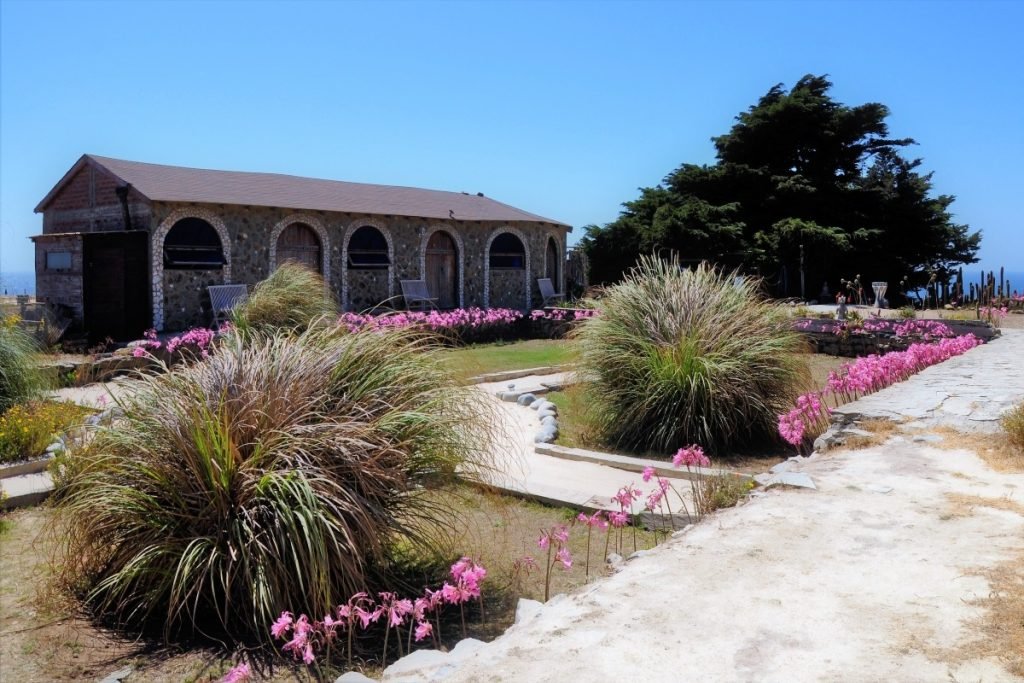
The initial investment in xeriscaping design and installation typically pays for itself within 3-5 years through reduced ongoing costs.
Professional xeriscaping also increases property values. Homes with attractive, low-maintenance landscapes appeal to buyers who understand the long-term cost benefits.
Benefit 4: Enhanced Property Value and Curb Appeal
One of the most surprising benefits of xeriscaping for many homeowners is how dramatically it can improve property appearance and market value. Well-designed xeriscaped gardens create a striking visual impact while demonstrating environmental responsibility, appealing to modern buyers.
We’ve seen xeriscaped properties sell faster and command higher prices than comparable homes with traditional landscapes. Real estate agents consistently tell us that buyers appreciate properties with established, low-maintenance gardens.
Xeriscaping allows for creative design elements that aren’t possible with traditional lawns:
- Decorative rock gardens and stone pathways
- Sculptural plants that serve as natural artwork
- Terraced planting areas that add dimension
- Water-efficient garden features and focal points
These design elements create year-round visual interest, unlike traditional landscapes that often look dormant during off-seasons.
The key to maximizing curb appeal through xeriscaping is professional design that balances water efficiency with aesthetic appeal. Random placement of drought-tolerant plants doesn’t create the same impact as thoughtfully designed xeriscaped gardens.
We work with homeowners to create xeriscaped designs that complement their home’s architecture and express their personal style.
Benefit 5: Environmental Sustainability and Wildlife Support
Modern homeowners increasingly value environmental responsibility, and xeriscaping provides tangible ways to reduce ecological impact while creating more sustainable outdoor spaces.
Traditional lawns require significant chemical inputs that can contaminate groundwater and harm beneficial insects. Xeriscaped gardens eliminate or drastically reduce the need for these chemicals.
Native plants used in xeriscaping provide essential habitat for local wildlife:
- Native flowering plants support pollinator populations
- Seed-producing plants provide food for birds
- Dense plantings offer shelter for beneficial insects
- Reduced chemical usage protects soil microorganisms
We’ve watched our xeriscaped gardens become havens for butterflies, birds, and other wildlife that struggle to find habitat in traditional suburban landscapes.
Reducing carbon footprints is another significant environmental benefit. Eliminating gas-powered lawn mowers, reducing fertilizer production and transport, and decreasing water treatment requirements all contribute to lower environmental impact.
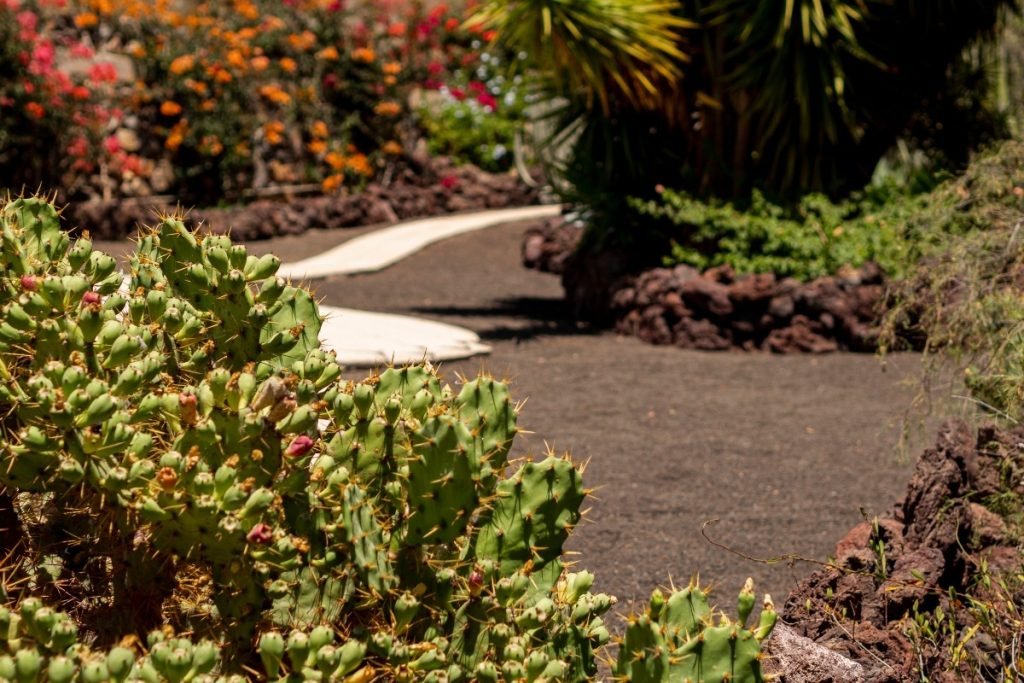
Xeriscaping also helps address urban heat island effects. Traditional lawns actually increase local temperatures, while diverse xeriscaped plantings create natural cooling through strategic shading and transpiration.
Benefit 6: Improved Drought Resilience and Climate Adaptation
Climate change brings increasing uncertainty about water availability and weather patterns. Xeriscaped landscapes provide natural resilience against these challenges, ensuring beautiful outdoor spaces regardless of changing conditions.
During recent drought years, we’ve seen traditional landscapes suffer severely while our xeriscaped gardens maintained their beauty with minimal supplemental watering. This resilience provides peace of mind and a consistent property appearance.
Xeriscaping prepares properties for future water restrictions that many communities are implementing. Rather than scrambling to adapt when restrictions are imposed, xeriscaped properties already operate within sustainable water usage parameters.
The plants used in xeriscaping are specifically chosen for their ability to thrive in local climate conditions:
- Deep root systems that access groundwater
- Natural drought tolerance developed over generations
- Heat resistance that maintains appearance during extreme weather
- Cold hardiness appropriate for local winter conditions
We select plants based on detailed knowledge of local growing conditions, ensuring long-term success regardless of seasonal variations.
Climate adaptation also means reduced vulnerability to extreme weather events. Xeriscaped gardens recover more quickly from heat waves, unexpected frosts, and irregular precipitation patterns.
Benefit 7: Health and Safety Advantages
Traditional landscape maintenance exposes homeowners and their families to various health and safety risks that xeriscaping significantly reduces or eliminates.
Chemical exposure from fertilizers, pesticides, and herbicides poses ongoing health concerns, particularly for children and pets who spend time in yard areas. Xeriscaping eliminates most of these chemical requirements.
Physical safety improvements include:
- No lawn mower operation risks
- Reduced ladder use for tree trimming
- Less exposure to power tool accidents
- Decreased risk of heat-related illness from extensive yard work
Allergen reduction is another important health benefit. Many traditional landscape plants are significant pollen producers, while xeriscaping allows for the selection of low-allergen plant varieties.
We’ve helped clients with mobility limitations create xeriscaped gardens that remain accessible and manageable. Raised beds, accessible pathways, and strategic plant placement allow everyone to enjoy gardening activities.
Air quality improvements result from reduced equipment usage and chemical applications. Families with respiratory sensitivities particularly appreciate these improvements.
The mental health benefits of reduced landscape stress shouldn’t be overlooked. Homeowners report feeling less anxious about property maintenance and more able to enjoy their outdoor spaces.
Designing Your Xeriscaped Garden: Key Principles for Success
Understanding the benefits of xeriscaping is just the beginning. A xeriscaped garden is one of the landscaping ideas that require careful planning and design to maximize its benefits while creating a beautiful, functional outdoor space.
We follow seven fundamental principles when designing xeriscaped gardens:
- Soil improvement: Proper drainage and soil amendments create optimal growing conditions
- Plant selection: Choose varieties adapted to local climate and water availability
- Zone creation: Group plants with similar water needs for efficient irrigation
- Mulching: Reduce evaporation and suppress weeds with appropriate ground covers
- Irrigation efficiency: Install targeted watering systems that minimize waste
- Maintenance planning: Design layouts that support long-term sustainability
- Aesthetic integration: Balance water efficiency with visual appeal and functionality
Each principle contributes to maximizing the benefits while ensuring long-term success and satisfaction.
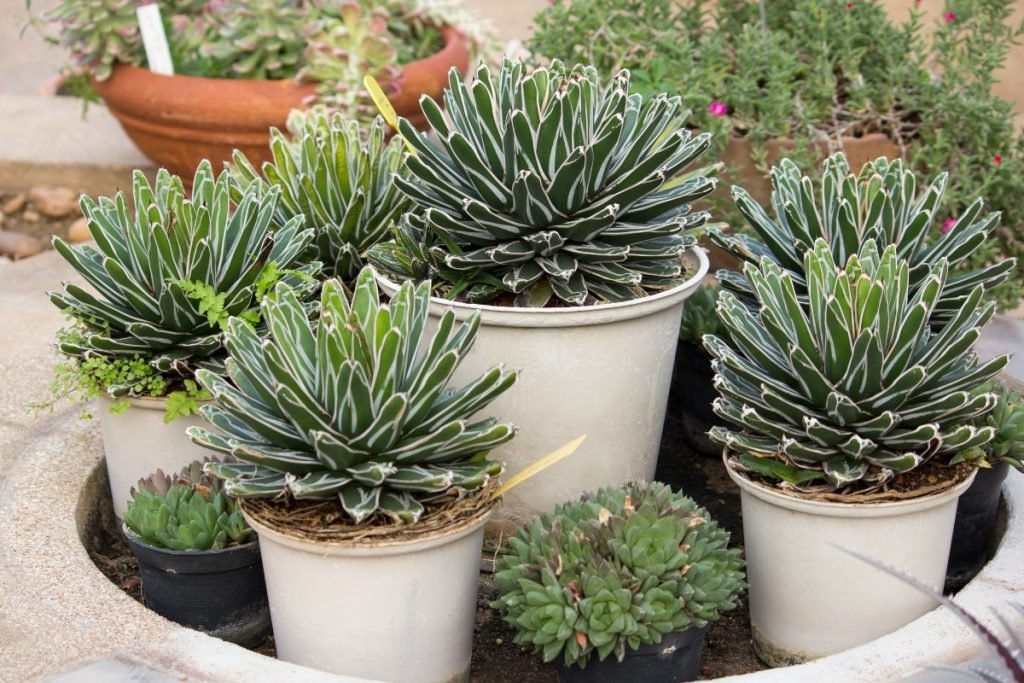
Professional design consultation helps homeowners avoid common mistakes that can compromise both aesthetics and efficiency. We’ve seen well-intentioned DIY xeriscaping projects that failed to deliver their full potential due to poor plant selection or inadequate soil preparation.
Common Misconceptions About Xeriscaping
Many homeowners hesitate to explore xeriscaping due to persistent misconceptions that prevent them from experiencing these significant benefits.
- Xeriscaping looks boring or desert-like: Well-designed xeriscaped gardens offer incredible diversity in colors, textures, and seasonal interest.
- Xeriscaping works only in desert climates: Water-efficient landscaping principles apply successfully in virtually any climate zone.
- Initial costs are prohibitive: While upfront design costs exist, the long-term savings far exceed initial investments.
- Plant choices are severely limited: Thousands of beautiful, water-efficient plants suit various aesthetic preferences and functional needs.
We encourage homeowners to visit established xeriscaped gardens in their area to see the reality of these beautiful, diverse landscapes.
Getting Started: Your Path to Xeriscaping Benefits
Transitioning to xeriscaping doesn’t require a complete landscape replacement overnight. We often recommend phased landscape construction, allowing homeowners to experience benefits gradually while managing costs.
Phase 1 typically focuses on eliminating the most water-intensive areas, such as large lawn sections that receive little use. These areas offer the greatest immediate water savings and cost reductions.
Phase 2 addresses medium-water-use plantings, replacing traditional flower beds and ornamental areas with drought-tolerant alternatives that provide similar visual impact.
Phase 3 completes the transformation by addressing remaining landscape elements and adding finishing touches that maximize both efficiency and beauty.
This phased approach allows homeowners to see results and build confidence while managing project costs over time.
Final Remarks
The benefits of xeriscaping extend far beyond simple water conservation, creating comprehensive improvements in cost, maintenance, environmental impact, and quality of life.
We’ve watched hundreds of families transform their relationships with their outdoor spaces through thoughtful xeriscaping.
These benefits compound over time, providing ongoing value that increases with each passing year. Water savings, reduced maintenance requirements, and environmental contributions create lasting positive impacts for families and communities.
At Elevate Landscape & Spas, we provide landscaping services in Highlands Ranch, helping homeowners enjoy these benefits through professional design and installation that enhance both efficiency and beauty.
Contact us today and discover how xeriscaping can transform your outdoor space into a sustainable, beautiful, and low-maintenance haven that saves you money while supporting environmental conservation!
Rather We Call You?
Leave your name and number and we’ll call you back — usually the same day. Or call us now on (303) 718-4619.