When it comes to transforming your outdoor space, selecting the best retaining wall material can make or break your landscaping project.
At Elevate Landscape & Spas, we’ve helped countless homeowners navigate this crucial decision, and we understand that choosing the right material isn’t just about aesthetics – it’s about creating a long-lasting solution that protects your property while enhancing its beauty.
Retaining walls serve multiple purposes in your backyard. They prevent soil erosion, create usable flat spaces on sloped terrain, and add stunning visual appeal to your landscape design.
However, with so many options available, determining the best material for retaining wall construction requires careful consideration of your specific needs, budget, and local conditions.
Understanding Your Retaining Wall Needs
Before exploring the various types of retaining wall materials, we always recommend assessing your specific situation. The height of your wall, soil conditions, drainage requirements, and intended use all play crucial roles in material selection.
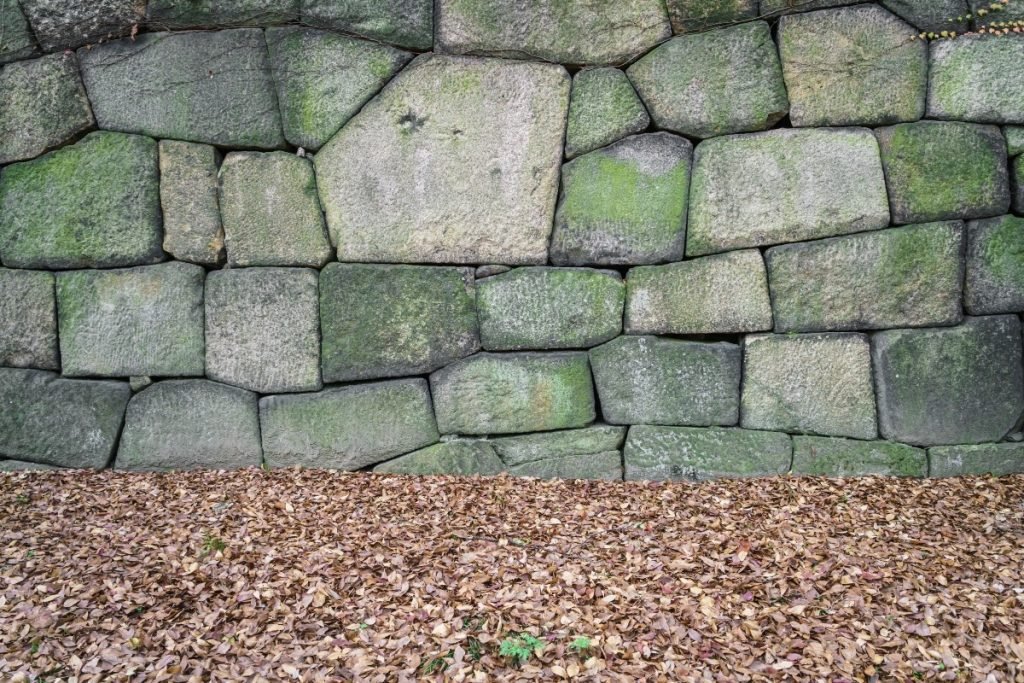
For walls under four feet, you have more flexibility in material choices. These shorter structures typically don’t require engineering permits and can accommodate lighter materials. However, taller walls need stronger materials and often require professional engineering consultation to ensure structural integrity.
Climate considerations also impact material performance. In areas with freeze-thaw cycles, certain materials expand and contract at different rates, potentially leading to cracks or structural failure over time.
We’ve seen beautiful walls deteriorate quickly when the wrong material was chosen for local weather conditions.
Concrete Block: The Popular Choice
Concrete blocks represent one of the most versatile and widely used types of retaining wall materials. We frequently recommend concrete blocks because they offer excellent strength, affordability, and design flexibility.
Advantages of Concrete Blocks
- Cost-effective solution for most residential projects
- Wide variety of colors, textures, and sizes available
- Excellent structural integrity for walls up to 8 feet
- Easy installation process compared to poured concrete
- Interlocking design provides natural stability
The modular nature of concrete blocks makes them particularly appealing for DIY enthusiasts, though we always recommend professional installation for walls over three feet.
These blocks come in various styles, from smooth contemporary designs to textured surfaces that mimic natural stone.
Concrete blocks also excel in drainage applications. Many systems include built-in drainage features, and the modular construction allows for easy integration of drainage pipes and gravel backfill.
Natural Stone: Timeless Beauty
Natural stone remains the gold standard when homeowners seek the best retaining wall material for aesthetic appeal.
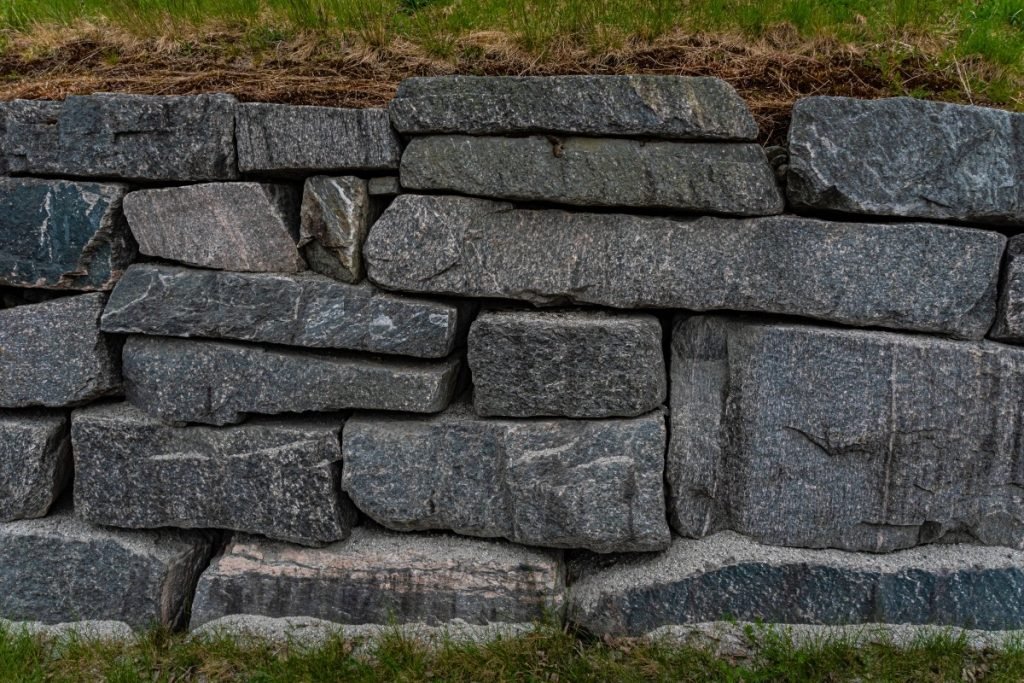
We’ve installed countless stone walls that become the centerpiece of outdoor spaces, adding value and character that manufactured materials simply cannot match.
Types of Natural Stone Options
- Granite: extremely durable and weather-resistant
- Limestone: softer appearance with good workability
- Sandstone: affordable option with natural color variations
- Fieldstone: rustic appearance perfect for informal gardens
- Bluestone: premium choice with distinctive color
Natural stone walls require skilled craftsmanship for proper installation. The irregular shapes and weights of stones demand experience to create stable, attractive structures.
While more expensive initially, stone walls often last generations with minimal maintenance.
The main challenge with natural stone involves sourcing consistent materials. Color and texture variations between batches can create noticeable differences in finished walls. We always recommend purchasing all stone materials at the same time to ensure consistency.
Timber Retaining Walls: Natural and Affordable
Wood remains a popular choice for the best material for retaining wall construction in certain applications. Timber walls blend naturally with garden settings and offer excellent value for temporary or low-height applications.
Timber Material Options
| Wood Type | Lifespan | Cost Level | Best Use |
|---|---|---|---|
| Pressure-treated Pine | 10-15 years | Low | Short walls, budget projects |
| Cedar | 15-20 years | Medium | Medium-height walls |
| Redwood | 20-25 years | High | Premium applications |
| Composite | 25+ years | High | Low-maintenance option |
Pressure-treated lumber offers the most economical entry point for retaining wall construction. However, we always discuss the environmental and aesthetic considerations with clients before recommending treated wood.
Cedar and redwood provide natural resistance to insects and decay, making them excellent choices for homeowners seeking environmentally friendly options. These materials age gracefully, developing attractive patinas over time.
Poured Concrete: Maximum Strength
For situations requiring maximum structural integrity, poured concrete often represents the best retaining wall material. We typically recommend concrete for tall walls, heavy-duty applications, or situations with challenging soil conditions.
Poured concrete walls offer unmatched strength and longevity. When properly installed with adequate reinforcement and drainage, these walls can last 50+ years with minimal maintenance. The material also provides excellent resistance to freeze-thaw cycles and soil pressure.
The main drawbacks include higher initial costs and limited aesthetic options. However, modern techniques like stamping, staining, and texturing can create attractive finishes that mimic natural materials at a fraction of the cost.
Brick: Classic Appeal
Brick retaining walls bring timeless elegance to any landscape design. We often recommend brick when homeowners want to match existing architecture or create formal garden spaces.
Benefits of Brick Construction
- Matches existing home architecture seamlessly
- Available in numerous colors and styles
- Excellent longevity with proper maintenance
- Professional appearance enhances property value
- Good structural performance for medium-height walls
Brick works particularly well for shorter retaining walls and decorative applications. The material’s uniform size and shape make installation more predictable than natural stone, though skilled masonry work remains essential.
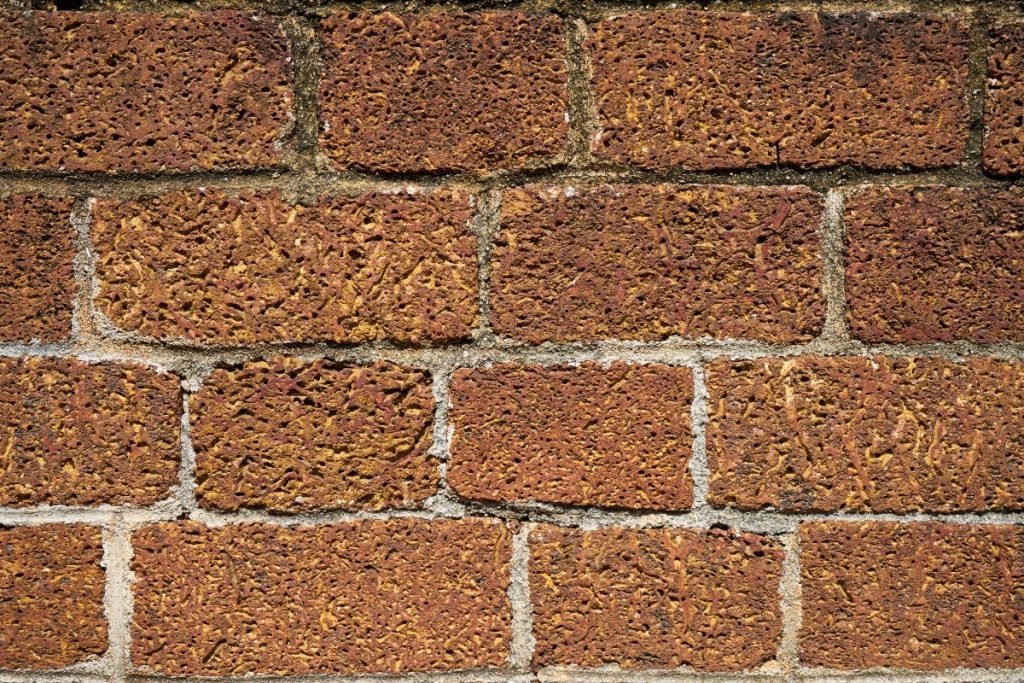
Maintenance requirements include periodic repointing of mortar joints and addressing any settling issues. However, well-built brick walls often outlast the buildings they support.
Gabion Walls: Modern Industrial Look
Gabion walls have become a popular retaining wall option thanks to their durability, natural appearance, and excellent drainage.
We recommend gabion walls for contemporary landscape designs and situations requiring superior drainage. The open structure allows water to flow freely, eliminating hydrostatic pressure that can damage other wall types.
Installation involves assembling wire cages and filling them with appropriately sized stones. While the concept seems simple, proper installation requires attention to cage alignment, stone selection, and structural stability.
Interlocking Concrete Systems
Engineered interlocking systems represent some of the most advanced types of retaining wall materials available today. These systems combine the strength of concrete with sophisticated design features that simplify installation while maximizing performance.
System Advantages
- Engineered performance meets specific load requirements
- Simplified installation reduces labor costs
- Built-in drainage features eliminate water problems
- Attractive finishing options available
- Modular design accommodates curves and corners
We frequently specify interlocking systems for commercial projects and residential applications requiring engineered solutions. The predictable performance and standardized installation procedures make these systems excellent choices for larger projects.
Cost Considerations and Budgeting
Understanding the total cost of retaining wall construction involves more than material prices. Installation complexity, site preparation, drainage requirements, and permits all impact final project costs.
Typical Cost Ranges per Linear Foot
- Timber walls: $15-$40 per linear foot
- Concrete blocks: $25-$60 per linear foot
- Natural stone: $40-$100+ per linear foot
- Poured concrete: $30-$80 per linear foot
- Brick: $35-$75 per linear foot
These ranges reflect material and basic installation costs for walls 3-4 feet high. Taller walls, complex drainage systems, and challenging site conditions significantly increase costs.
We always provide detailed estimates that break down material, labor, and additional costs. This transparency helps homeowners make informed decisions based on their specific budgets and priorities.
Installation Considerations
Proper installation determines retaining wall performance regardless of material choice. We’ve seen expensive materials fail due to poor installation practices, while budget materials exceed expectations when properly installed.
Foundation preparation represents the most critical installation aspect. Inadequate foundations cause settling, tilting, and eventual wall failure. We always excavate below the frost line and create properly compacted gravel bases.
Drainage design prevents the majority of retaining wall problems. Hydrostatic pressure from trapped water can destroy even the strongest walls.
Our installs usually include landscape construction work like grading the ground and planning runoff, which helps protect the wall from water buildup and keeps everything stable for years.
Maintenance and Longevity
Different materials require varying maintenance approaches to maximize lifespan. Understanding these requirements helps homeowners choose the best material for retaining wall construction based on their maintenance preferences.
Natural stone and concrete materials generally require minimal maintenance beyond occasional cleaning and minor crack repair. These materials age gracefully and often improve in appearance over time.
Timber walls need regular inspection and treatment to prevent insect damage and decay. We recommend annual inspections and prompt replacement of damaged sections to prevent structural compromise.
Making Your Final Decision
Selecting the best retaining wall material for your specific situation requires balancing multiple factors. Budget constraints, aesthetic preferences, maintenance tolerance, and structural requirements all influence the optimal choice.
We encourage homeowners to view retaining walls as long-term investments in their property. While initial costs vary significantly between materials, the total cost of ownership includes maintenance, repairs, and eventual replacement.
Consider your landscape’s overall design theme when selecting materials. Formal gardens pair beautifully with brick or cut stone, while natural landscapes suit fieldstone or timber construction.
Wrap-up
Choosing the best retaining wall material doesn’t have to be overwhelming when you work with experienced professionals who understand local conditions and construction requirements.
At Elevate Landscape & Spas, we bring decades of combined experience in landscaping services to every project, ensuring your retaining wall investment provides lasting beauty and functionality.
Whether you’re considering natural stone elegance or practical concrete blocks, our team guides you through every decision to create the perfect solution for your outdoor space.
Ready to transform your backyard with a stunning retaining wall? Contact us today and bring your vision to life!
Pricing estimates are approximate and may vary based on local market conditions, site accessibility, and specific project requirements.
Rather We Call You?
Leave your name and number and we’ll call you back — usually the same day. Or call us now on (303) 718-4619.