At Elevate Landscape & Spas, we’ve witnessed a remarkable transformation in how homeowners approach their outdoor spaces. As a family-owned business deeply rooted in our community, we’ve seen firsthand the growing desire for landscapes that not only look beautiful but also benefit our environment.
The shift toward sustainable landscaping practices isn’t just about following trends; it’s about creating outdoor spaces that work harmoniously with nature while reducing environmental impact and ongoing maintenance costs. These approaches benefit both individual homeowners and our broader community.
When clients ask us about sustainable landscaping ideas, we share stories of families who’ve dramatically reduced their water bills, eliminated chemical treatments, and created thriving ecosystems right in their backyards. The results consistently exceed expectations in both beauty and functionality.
These sustainable landscape ideas represent more than environmental responsibility; they’re smart investments in property value, family health, and long-term cost savings.
Our experience has shown that sustainable approaches often create more beautiful, resilient, and enjoyable outdoor spaces than traditional methods.
Understanding Sustainable Landscaping: Beyond Environmental Buzzwords
Sustainable landscaping encompasses practices that minimize environmental impact while maximizing long-term benefits for homeowners and communities. This approach considers water usage, soil health, wildlife support, and energy efficiency as integral design elements.
We define sustainability in landscaping as creating systems that can maintain themselves naturally with minimal external inputs. This means working with local climate conditions, supporting beneficial wildlife, and choosing materials and plants that thrive without excessive resources.
Sustainable doesn’t mean sacrificing beauty or functionality. In fact, we’ve discovered that sustainable landscape practices often result in more visually striking and practically functional outdoor spaces than conventional approaches.
The key lies in understanding your property’s natural characteristics and creating landscapes that enhance rather than fight these existing conditions.
Practice 1: Native Plant Selection for Natural Beauty
The foundation of all effective, sustainable landscaping practices begins with choosing plants that naturally belong in your local ecosystem. Native plants have evolved over thousands of years to thrive in specific climate conditions, soil types, and seasonal patterns.
We’ve transformed countless properties by replacing struggling non-native plants with thriving native alternatives that require minimal water, naturally resist local pests, and support beneficial wildlife populations.
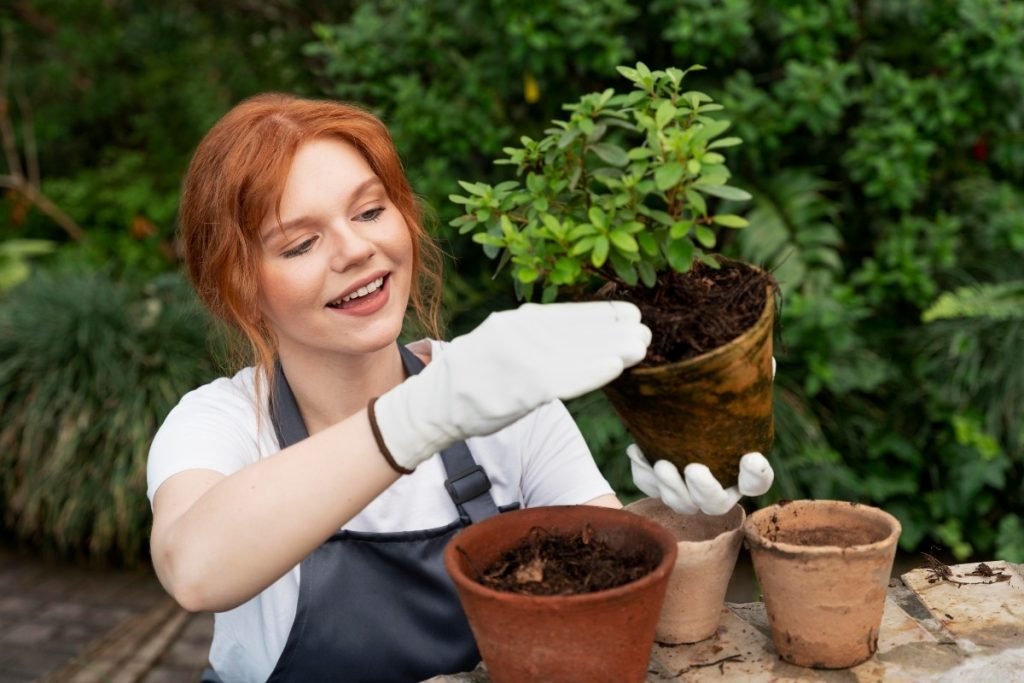
Benefits of native plant selection include:
- Reduced water requirements after establishment
- Natural pest and disease resistance
- Lower maintenance needs
- Support for local pollinator populations
- Seasonal beauty that reflects natural cycles
Native plants also create authentic regional character that connects properties to their local environment. Instead of fighting natural conditions, these plants work with existing rainfall patterns, soil types, and temperature ranges.
We maintain extensive knowledge of native plants suitable for various landscape functions, from ground covers and flowering perennials to shade trees and privacy screening.
The establishment period for native plants is typically shorter than that of exotic alternatives, and long-term survival rates are significantly higher when proper species selection occurs.
Practice 2: Water-Wise Irrigation and Conservation
Smart water management represents one of the most impactful sustainable landscaping practices for both environmental protection and cost savings. Traditional irrigation systems often waste 30-50% of applied water through inefficient design and scheduling.
We implement water conservation strategies that maintain beautiful landscapes while dramatically reducing consumption:
- Drip irrigation systems: Deliver water directly to root zones with minimal evaporation
- Smart controllers: Adjust watering schedules based on weather conditions and soil moisture
- Zone-based watering: Group plants with similar water needs for efficient irrigation
- Rainwater harvesting: Capture and store natural precipitation for landscape use
Proper irrigation design considers plant placement, sun exposure, soil types, and microclimates within individual properties. This detailed approach ensures each area receives the appropriate amount of water without waste.
| Irrigation Method | Water Efficiency | Installation Cost | Long-term Savings |
|---|---|---|---|
| Traditional Sprinkler | 60-70% | Low | Minimal |
| Smart Sprinkler | 75-85% | Medium | Moderate |
| Drip Irrigation | 85-95% | Medium-High | Significant |
| Micro-spray | 80-90% | Medium | Good |
We’ve helped clients reduce landscape water usage by 40-60% while improving plant health and appearance through properly designed, efficient irrigation systems.
Practice 3: Soil Health and Organic Matter Enhancement
Healthy soil forms the foundation for all successful, sustainable landscaping. We’ve learned that investing in soil improvement provides the greatest long-term returns in plant health, water efficiency, and overall landscape success.
Sustainable landscape practices always begin with comprehensive soil analysis and amendment strategies that create optimal growing conditions for chosen plants.
Soil improvement techniques we regularly implement include:
- Organic compost incorporation for nutrient cycling
- Mycorrhizal fungi inoculation for enhanced root systems
- Natural soil amendments based on specific deficiencies
- Erosion control through strategic plantings and mulching
Healthy soil retains moisture more effectively, reducing irrigation needs while supporting robust plant growth. Well-structured soil also improves drainage during wet periods and provides better root-zone conditions during dry spells.

We source organic materials locally whenever possible, supporting regional composting operations while reducing transportation environmental impact.
The biological activity in improved soil creates natural pest control and disease suppression, reducing or eliminating the need for chemical treatments that can harm beneficial organisms.
Soil health improvements compound over time, creating increasingly sustainable growing conditions that require fewer external inputs each year.
Practice 4: Integrated Pest Management Without Harmful Chemicals
Traditional pest control approaches often create more problems than they solve, killing beneficial insects along with pests and creating chemical resistance that requires increasingly stronger treatments.
Our integrated pest management approach focuses on creating balanced ecosystems where beneficial organisms naturally control pest populations. This strategy proves more effective and sustainable than chemical treatments.
Key components of chemical-free pest management include:
- Beneficial insect habitat: Plants that attract predatory insects that control garden pests
- Companion planting: Strategic plant combinations that naturally repel specific pests
- Physical barriers: Row covers, beneficial mulches, and strategic design elements
- Biological controls: Encouraging birds, bats, and beneficial insects through habitat creation
We’ve observed that landscapes managed through integrated approaches develop natural balance over 2-3 seasons, becoming increasingly self-regulating with minimal intervention.
Problem identification focuses on underlying causes rather than symptom treatment. Poor plant selection, improper watering, or soil imbalances often create pest problems that disappear when root causes are addressed.
This approach creates safer environments for families and pets while supporting broader ecosystem health that benefits entire neighborhoods.
Practice 5: Composting and Organic Waste Cycling
Transforming yard waste and kitchen scraps into valuable soil amendments represents one of the most satisfying sustainable landscaping ideas that homeowners can implement immediately.
We help clients establish composting systems that convert organic waste into nutrient-rich soil improvements while reducing household garbage disposal and eliminating the need for commercial fertilizers.
Effective composting systems accommodate different space constraints and maintenance preferences:
- Traditional pile composting for larger properties
- Bin systems for organized composting in smaller spaces
- Tumbler composters for faster processing and easier maintenance
- Vermicomposting for year-round indoor/outdoor composting
Properly managed compost provides slow-release nutrients that feed plants consistently, without the feast-or-famine cycles of synthetic fertilizers.
Composting also reduces municipal waste streams while creating valuable resources that would otherwise require purchasing and transportation from distant sources.
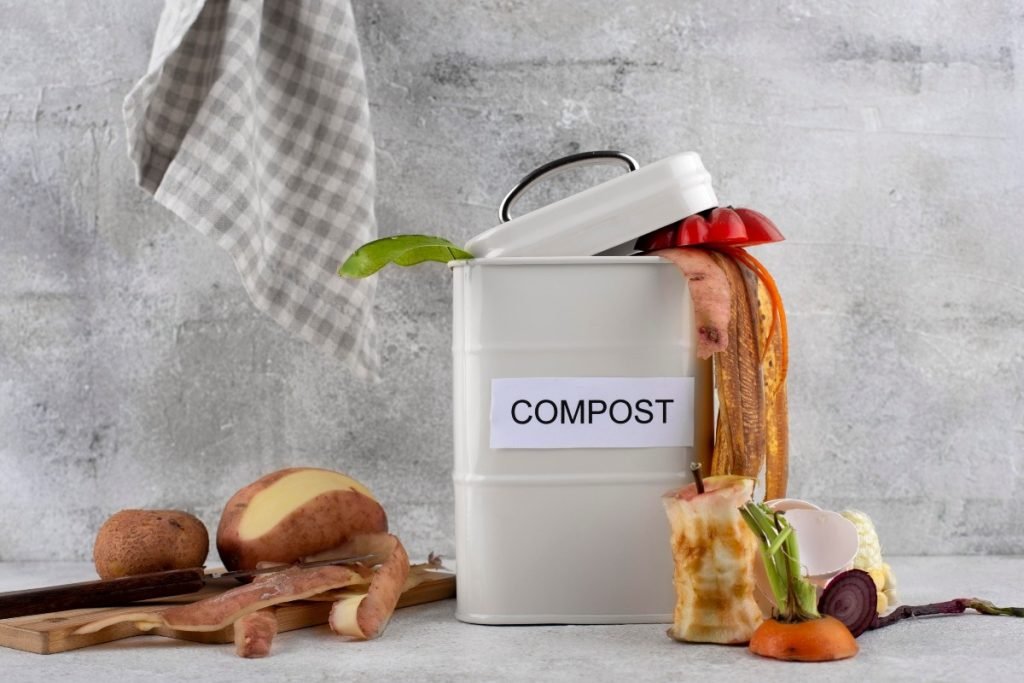
We teach clients proper composting ratios and techniques that prevent odors and pest problems while creating optimal conditions for beneficial decomposition microorganisms.
The finished compost improves soil structure, water retention, and biological activity while providing complete nutrition for healthy plant growth.
Practice 6: Energy-Efficient Landscape Design
Strategic landscape design can significantly reduce home energy consumption by leveraging natural heating and cooling.
These sustainable landscape practices provide comfort improvements while reducing utility costs and environmental impact.
We position trees, shrubs, and structural elements to maximize energy efficiency:
- Deciduous trees on the south and west sides provide summer cooling and winter solar access
- Evergreen windbreaks reduce heating costs by blocking cold winter winds
- Ground covers and mulching reduce heat reflection around foundations
- Strategic shading of air conditioning units improves cooling efficiency
Plant selection considers mature sizes and growth patterns to ensure long-term effectiveness without creating maintenance problems or property damage.
We calculate potential energy savings during design phases, helping homeowners understand the long-term value of strategic plant placement and species selection.
Proper landscape design can reduce cooling costs by 15-35% and heating costs by 10-25% through natural climate modification around homes.
These energy benefits continue to increase as plants mature, providing compound returns on initial landscape investments over 10-20-year periods.
Practice 7: Wildlife Habitat Creation and Biodiversity Support
Creating landscapes that support local wildlife populations contributes to broader ecosystem health while providing homeowners with opportunities to observe and interact with nature.
Our wildlife-friendly, sustainable landscaping ideas focus on providing four essential habitat elements: food, water, shelter, and nesting sites for beneficial species.
Wildlife habitat features we regularly incorporate include:
- Native flowering plants: Provide nectar for pollinators throughout growing seasons
- Seed-producing plants: Offer natural food sources for birds and small mammals
- Dense shrub plantings: Create shelter and nesting opportunities
- Water features: Support drinking, bathing, and reproduction needs
- Seasonal diversity: Ensure year-round habitat value through varied plant selection
We design wildlife gardens that balance habitat value with aesthetic appeal and functional landscape needs.
Pollinator support has become increasingly important as native bee and butterfly populations face habitat loss. Strategic plant selection can create pollinator corridors that support these essential species.
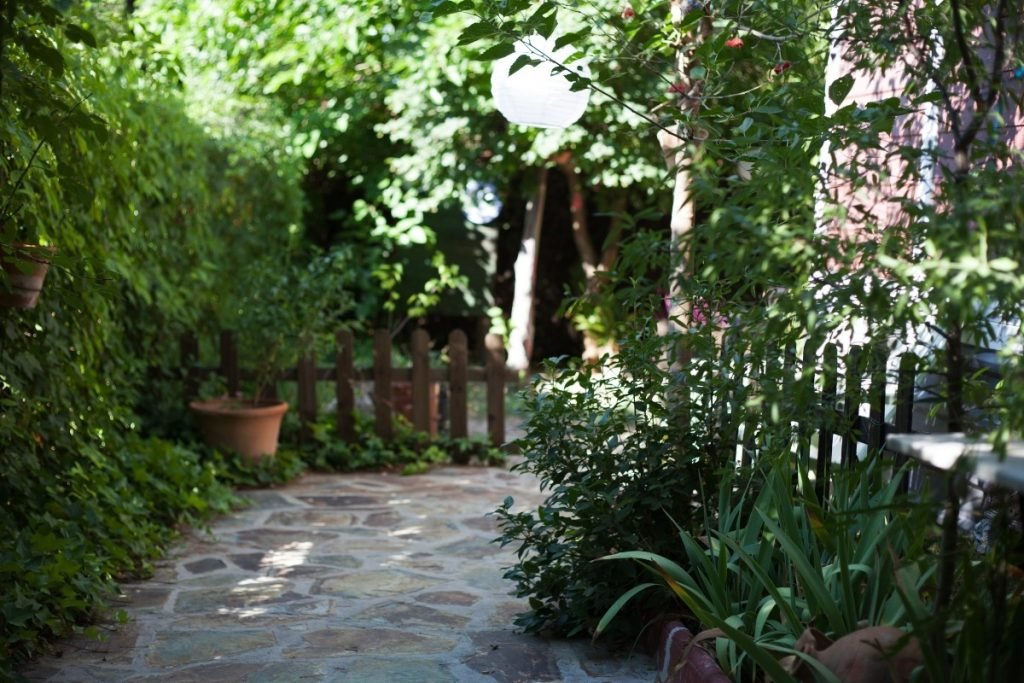
Bird-friendly landscapes naturally reduce insect pest problems while providing educational and entertainment value for families, especially children who enjoy observing wildlife.
These habitat features typically require minimal maintenance once established, creating long-term sustainability benefits that increase over time.
Practice 8: Sustainable Hardscape Materials and Design
Hardscape elements like patios, walkways, and retaining walls significantly impact landscape sustainability through material choices, installation methods, and long-term durability considerations.
We prioritize sustainable landscape practices for hardscape projects that minimize environmental impact while maximizing functionality and aesthetic value.
Sustainable hardscape material options include:
- Locally sourced natural stone that reduces transportation impact
- Recycled concrete and brick materials that divert waste from landfills
- Permeable paving systems that allow natural water infiltration
- Reclaimed wood from sustainable forestry operations
Installation techniques focus on minimizing soil disturbance and preserving existing vegetation whenever possible. We design drainage systems that work with natural water flow patterns rather than redirecting runoff to storm systems.
Durability considerations ensure hardscape investments provide long-term value without frequent replacement or major maintenance requirements.
Permeable hardscape surfaces help manage stormwater runoff, recharge groundwater supplies, and reduce erosion problems that affect broader watershed areas.
Practice 9: Seasonal Interest and Year-Round Sustainability
Creating landscapes that provide visual interest throughout all seasons while maintaining sustainable practices requires careful plant selection and design integration.
We develop sustainable landscape practices that ensure properties remain attractive during dormant seasons while supporting wildlife and maintaining ecological functions year-round.
Seasonal sustainability strategies include:
- Four-season plant combinations that provide continuous visual interest
- Seed heads and dried plant materials that support winter wildlife feeding
- Evergreen structure plants that maintain the landscape framework
- Strategic placement of seasonal color areas for maximum impact
Winter landscape sustainability involves leaving beneficial plant materials in place to provide wildlife habitat and natural pest control rather than aggressive fall cleanup that removes valuable ecosystem elements.
Spring emergence planning ensures early-season interest while supporting pollinators during critical periods when few other food sources are available.
Summer sustainability focuses on heat- and drought-tolerance while maintaining cooling benefits and visual appeal during peak growing seasons.
Fall preparation emphasizes natural cycles and resource conservation rather than intensive cleanup that disrupts beneficial ecological processes.
Practice 10: Maintenance Practices That Support Long-Term Sustainability
Sustainable maintenance approaches focus on supporting natural processes rather than fighting them through excessive intervention and chemical inputs.
Our long-term maintenance strategies enhance sustainable landscaping practices while reducing labor requirements and ongoing costs for homeowners.
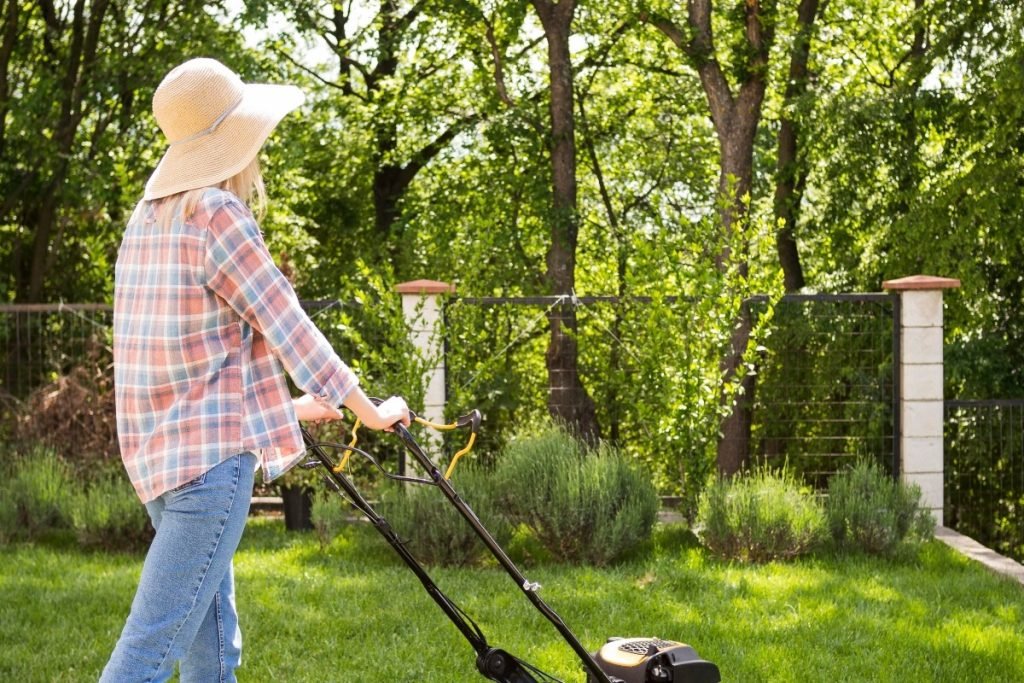
Sustainable maintenance principles include:
- Organic fertilization: Slow-release natural nutrients that support soil biology
- Proper pruning timing: Working with natural growth cycles for plant health
- Mulching strategies: Retaining soil moisture and suppressing weeds naturally
- Selective weeding: Managing problem plants without disturbing beneficial species
- Natural pest monitoring: Early identification and natural intervention techniques
We train homeowners in maintenance techniques that support their landscape investments while minimizing time and resource requirements.
Seasonal maintenance schedules respect natural cycles and plant dormancy periods rather than imposing arbitrary human timelines that stress plants and waste resources.
Tool selection emphasizes manual and electric options over gas-powered equipment that contributes to air pollution and noise problems in residential areas.
Maintenance record-keeping helps identify patterns and adjust practices for improved efficiency and effectiveness over time.
Creating Your Sustainable Landscape Master Plan
Successfully implementing multiple sustainable practices within landscape design ideas requires comprehensive planning that considers site conditions, budget constraints, and long-term maintenance capabilities.
We work with homeowners to develop phased implementation plans that spread costs over time while ensuring each phase contributes to overall sustainability goals.
Priority assessment helps identify which sustainable practices will provide the greatest immediate benefits for specific properties and family situations.
Budget planning considers both initial installation costs and long-term savings to demonstrate the financial benefits of sustainable approaches over conventional alternatives.
Timeline development ensures realistic expectations while maintaining momentum toward completed sustainable landscape transformations.
Professional consultation helps avoid common mistakes that can compromise both sustainability goals and aesthetic outcomes.
Final Thoughts
Sustainable landscaping practices represent far more than environmental trends; they’re proven strategies for creating beautiful, functional, and cost-effective outdoor spaces that enhance property values while supporting ecological health.
We’ve guided hundreds of families through sustainable landscape transformations that exceed their expectations for both beauty and practicality.
These approaches consistently deliver long-term value by reducing maintenance costs, improving property resilience, and enhancing quality of life. The benefits compound over time, creating increasingly valuable and sustainable outdoor environments.
At Elevate Landscape & Spas, we provide premium landscaping services in Highlands Ranch, helping homeowners implement sustainable practices that match their style and practical needs.
Contact us today and discover how sustainable landscaping can create the outdoor space you’ve always wanted while contributing positively to our shared environment.
Rather We Call You?
Leave your name and number and we’ll call you back — usually the same day. Or call us now on (303) 718-4619.